The Healing Center Brings a Christ-Centered Approach to Recovery in Jones
A new chapter in recovery begins
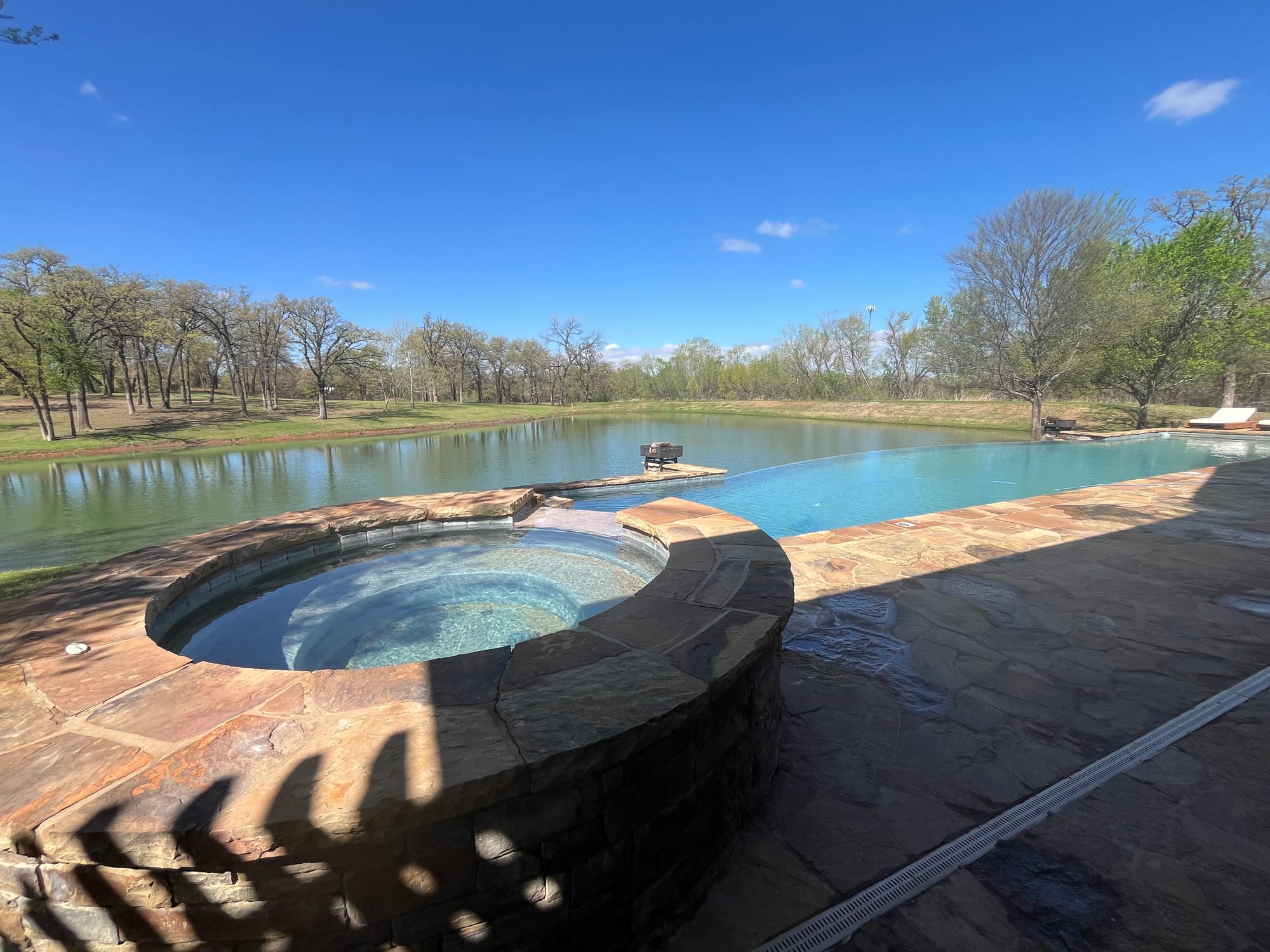
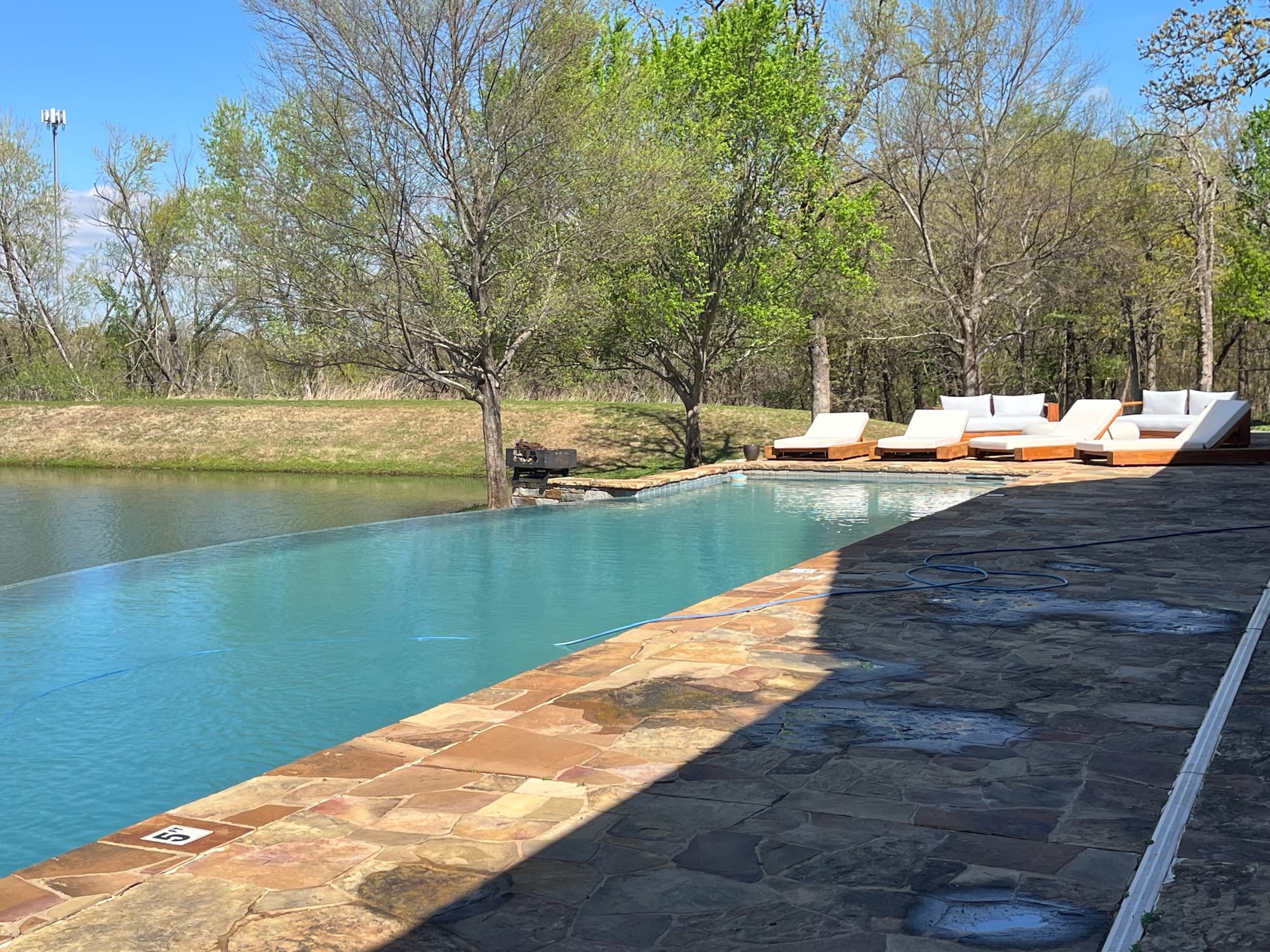
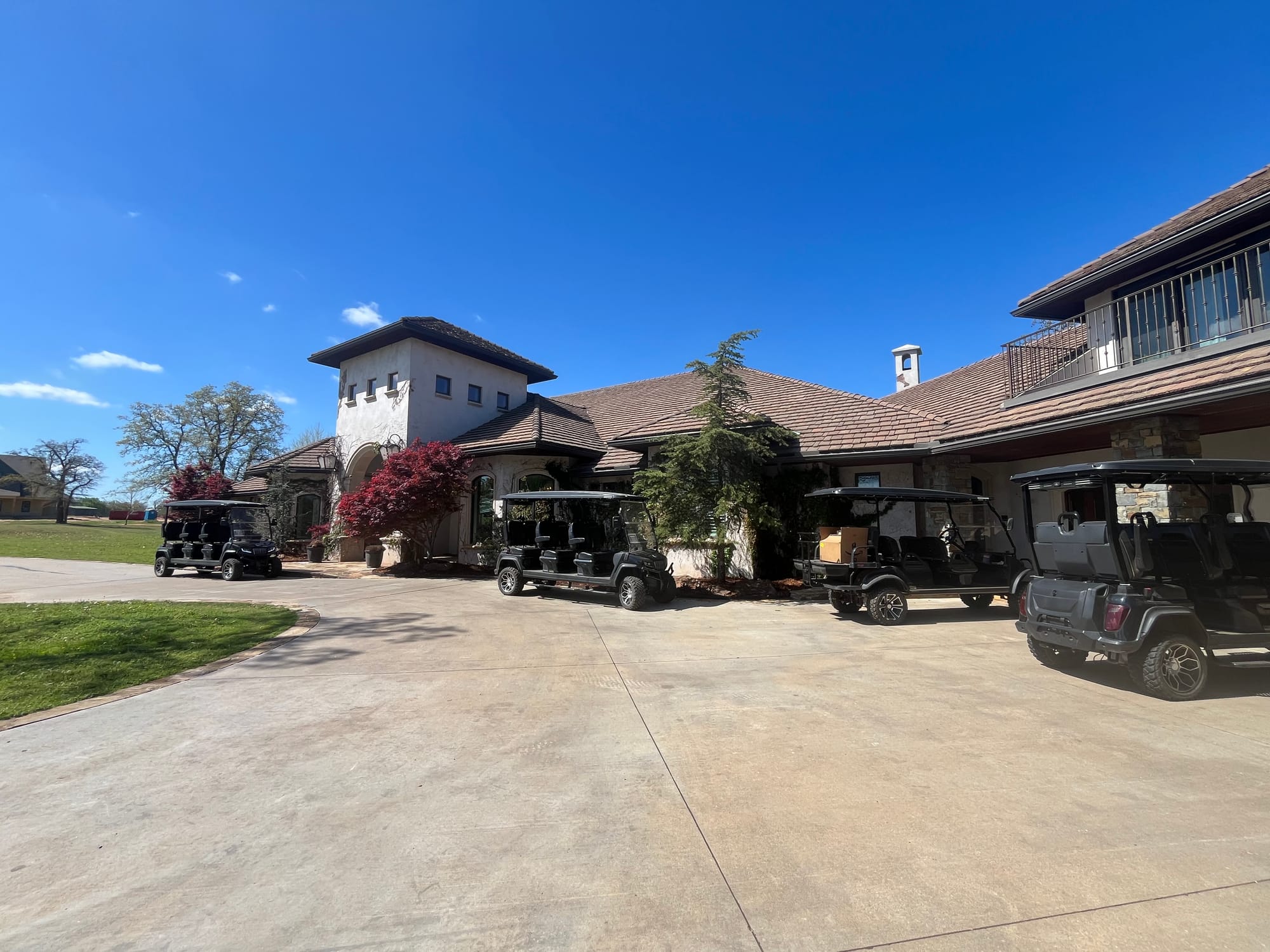
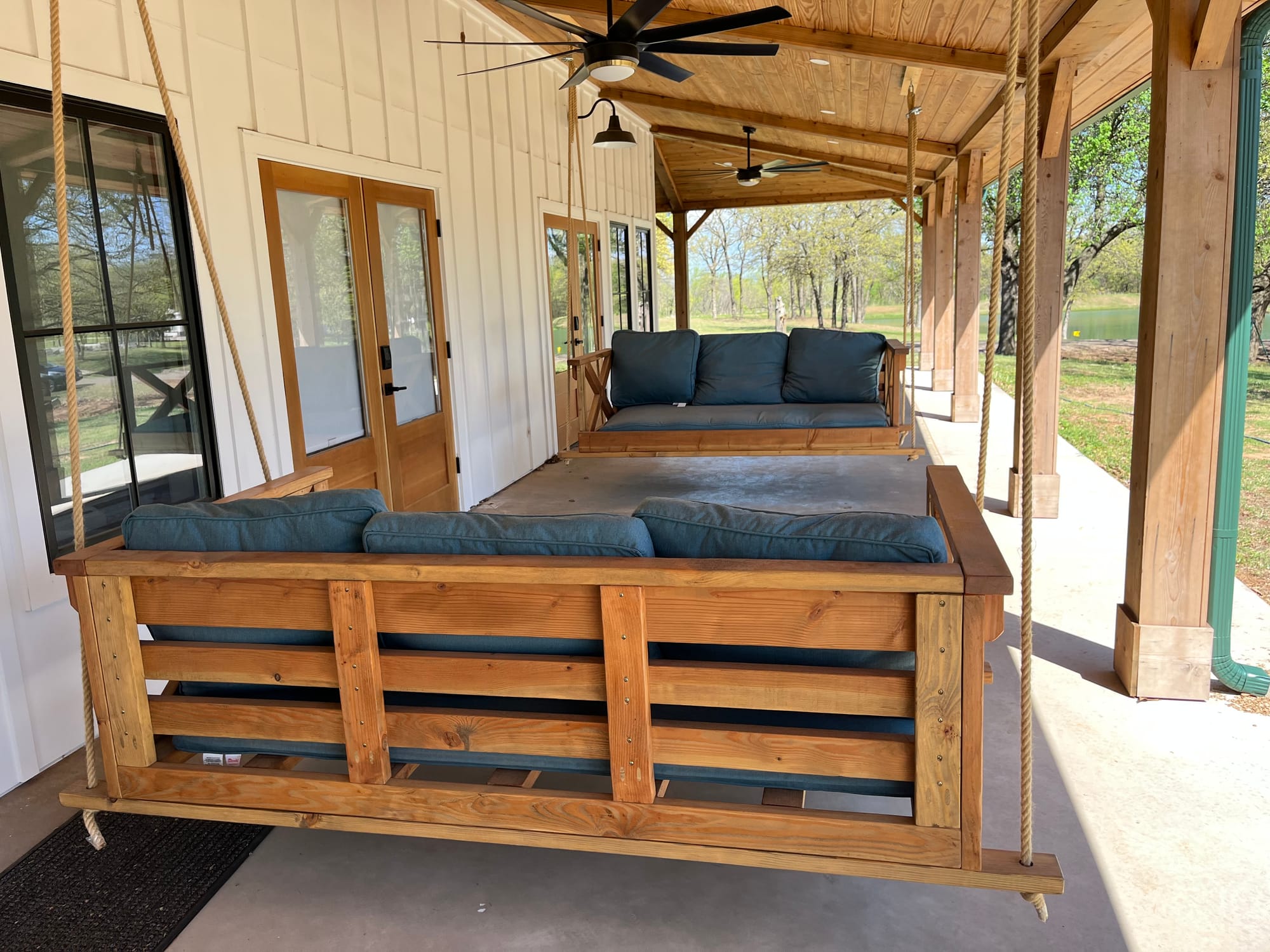
Tucked behind a tree-lined drive just outside Jones, something unexpected is taking shape. Rolling hills stretch across the property, with a pond reflecting the sky near a large home in the distance. New lodges are under construction, and a greenhouse sits quietly nearby. One building lined with oversized porch swings, beckoning you in to this place of restoration. This is The Healing Center, part of Hope Is Alive Ministries, and it represents the next step in a model of recovery that continues to grow across Oklahoma and beyond.
What began as a network of sober living homes has steadily developed into something much broader. Founded by Lance Lang, Hope Is Alive has built its reputation on long-term, community-based recovery program, but over time the organization has expanded its reach to support not only individuals in recovery, but also the families walking alongside them. Today, that work includes sober living homes across multiple states, family support groups known as Finding Hope, retreats, podcasts, and even a thrift store that help fund the mission and provide job opportunities for those in recovery. The Healing Center in Jones is the next stage in that growth, designed to meet a need that often goes unaddressed in traditional recovery systems.
Many treatment models focus on clinical care, medication, and short-term stabilization, but The Healing Center takes a different approach. While medical detox may still take place before someone arrives, the focus once they are here shifts away from medication as the primary solution. The foundation of the program is not clinical treatment or strict discipline. It is Christ. “We’re putting people in front of the true healer,” said outreach manager George Zerker. “Which is Jesus.” The program is built on the belief that lasting recovery is not just physical, but spiritual, and that participants are not only working to break addiction, but being invited into a new identity rooted in faith. That perspective shapes everything that happens on the property.
Traditional systems often move individuals quickly from detox to inpatient care and then back into daily life, and the space between those stages is where many people struggle to maintain progress. “The second stage is where we lose about 90 percent of people,” Zerker said. The Healing Center is designed to slow that process down by providing a structured 45-day environment removed from the pressures and distractions of everyday life. Each day follows a rhythm that includes time for reflection and prayer, shared meals, and classes focused on personal growth, truth, and accountability. “There’s birds, there’s water. It’s just amazing,” Zerker said. “It’s a respite.” The goal is not only to stop destructive patterns, but to rebuild a life on a different foundation.
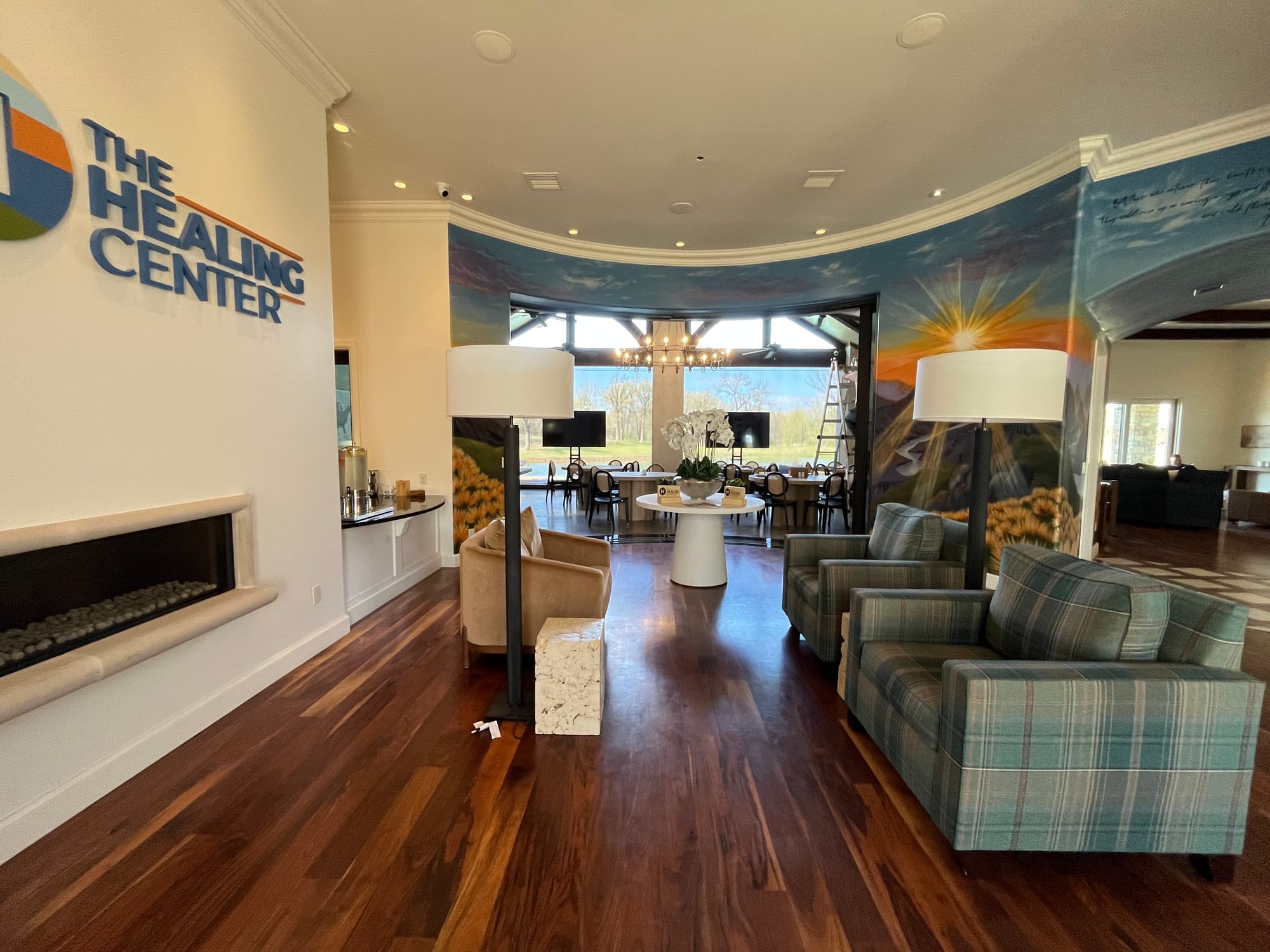
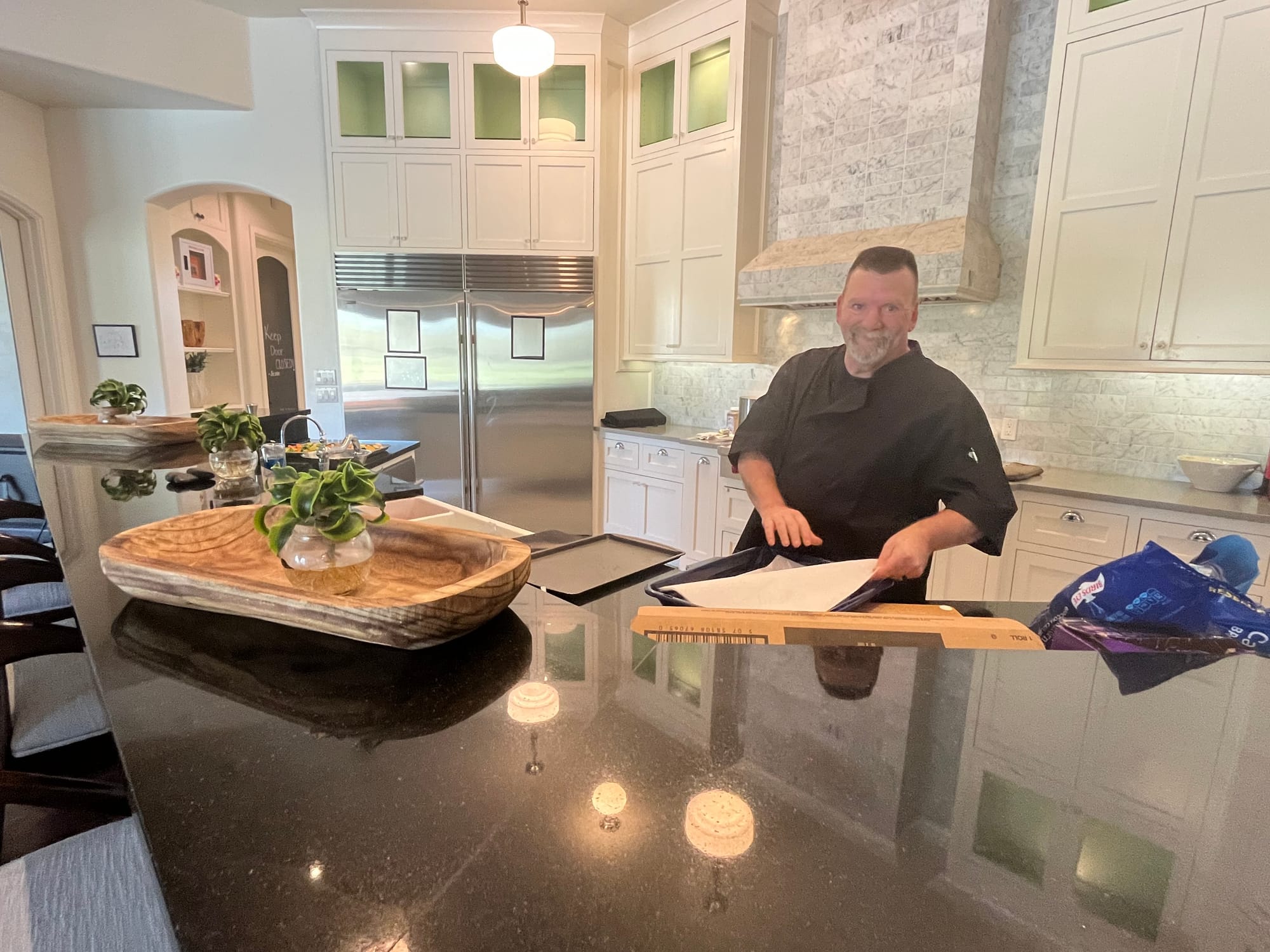
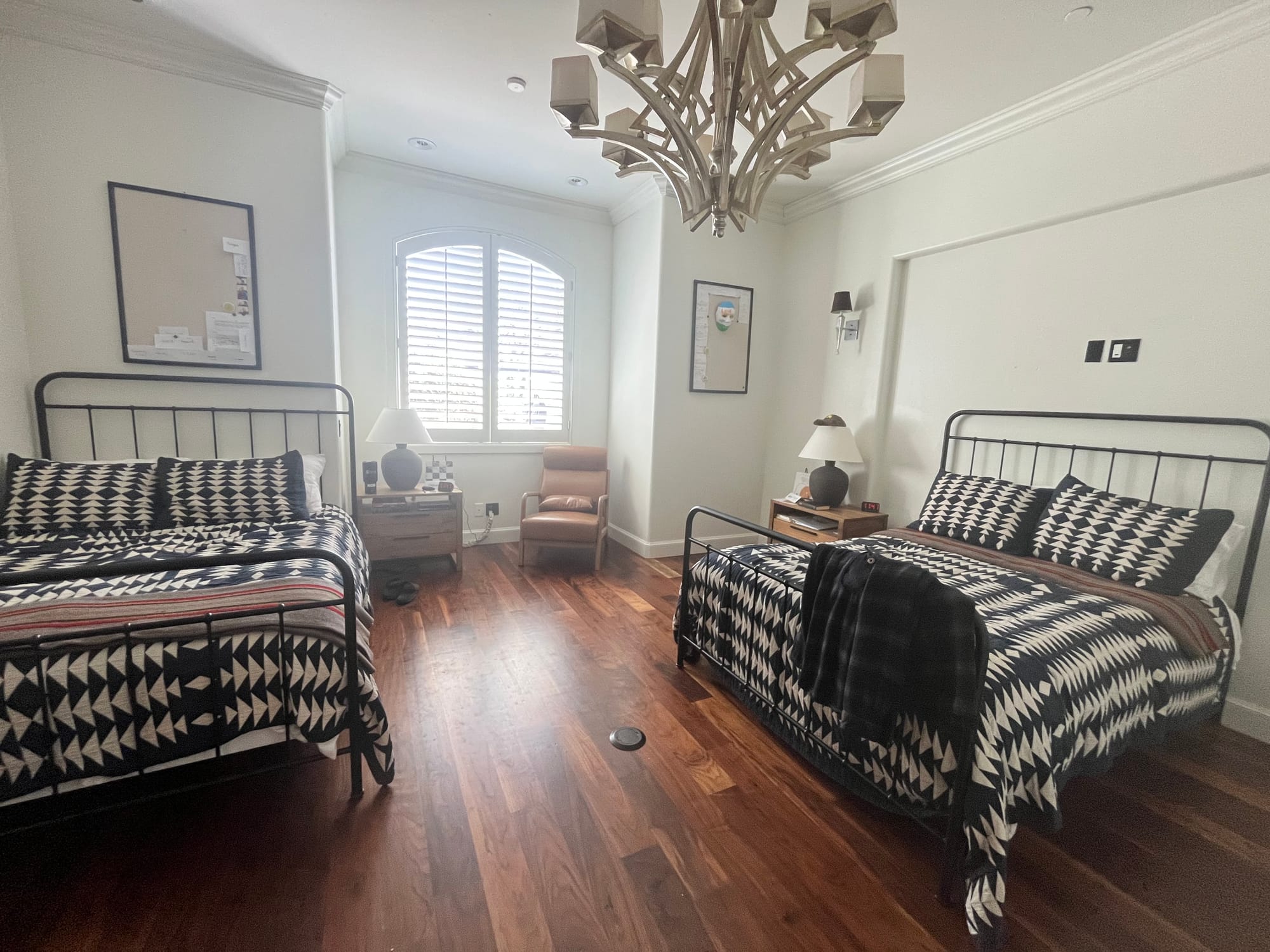
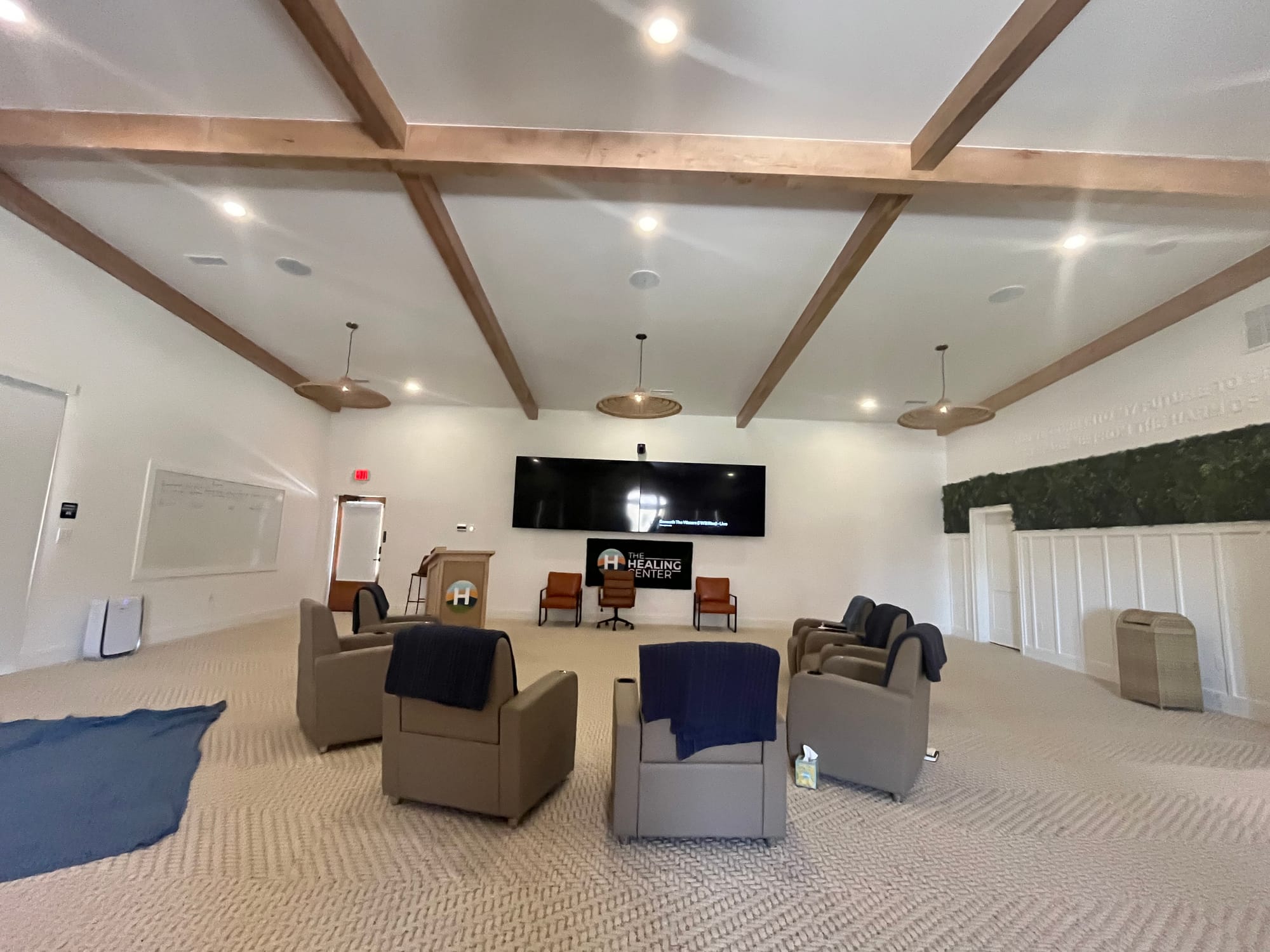
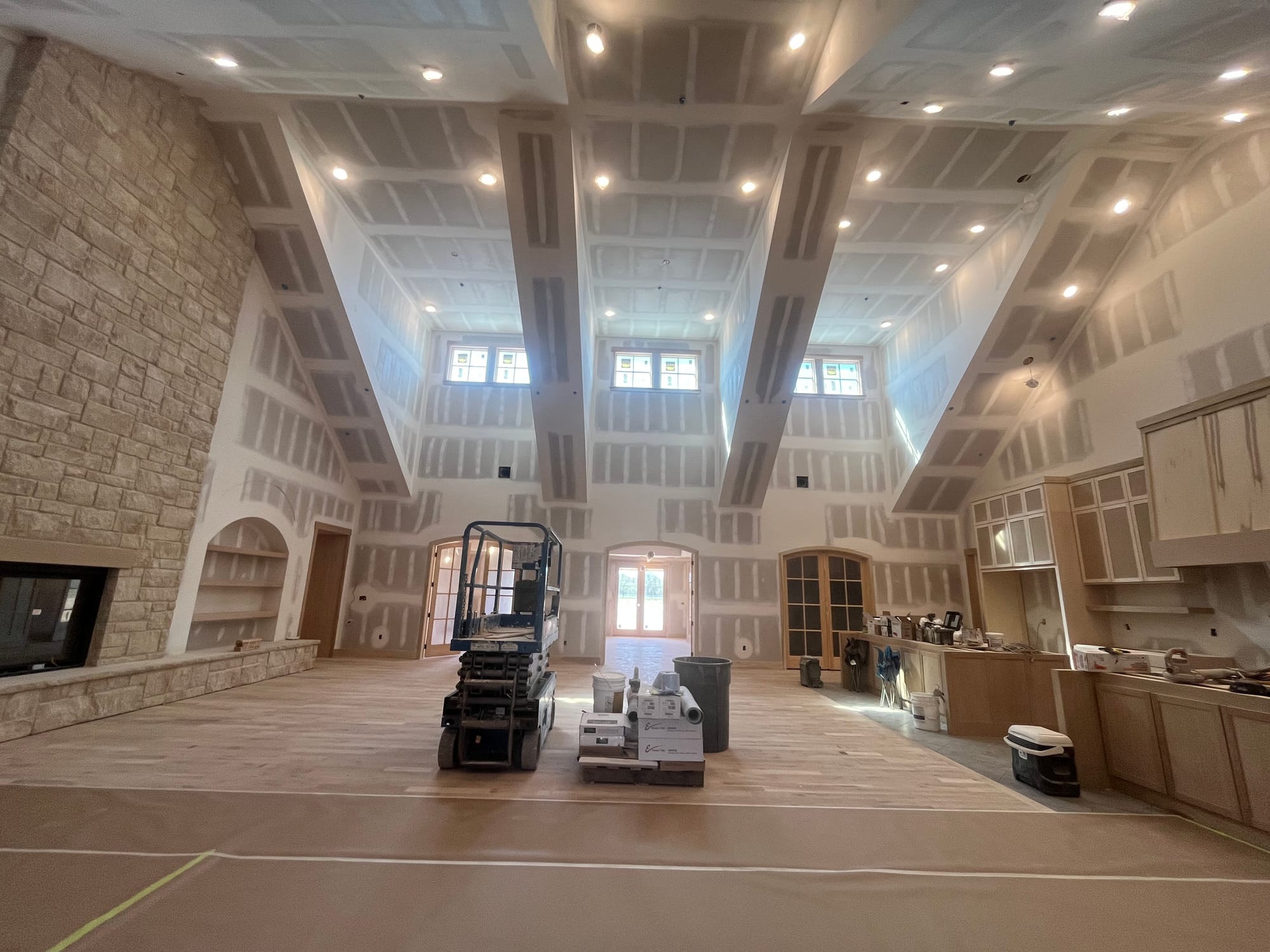
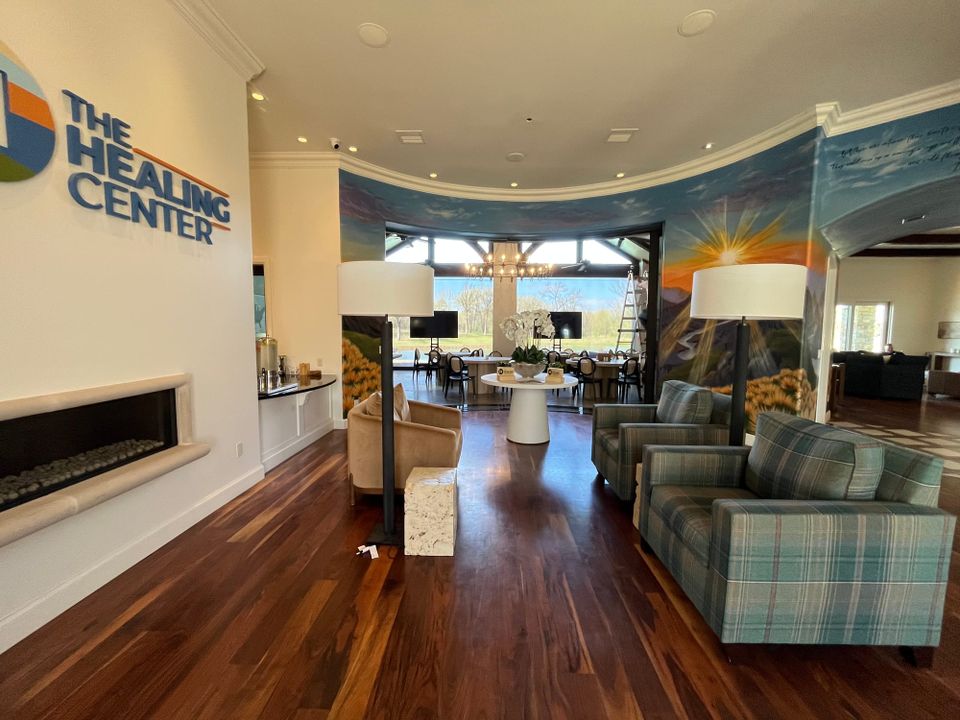
Inside the main home, which was formerly part of the Oklahoma City Polo Club, the attention to detail is immediately noticeable. The rooms are spacious, the kitchen is fully equipped, and the layout includes gathering areas that encourage conversation alongside quieter spaces for reflection. A screened-in dining area provides a place where residents share meals together each day. The environment is not designed to feel extravagant, but it does reflect a clear commitment to excellence. “We don’t want to do anything luxurious,” Zerker said. “We want to do excellence.” That excellence communicates something important to those entering the space, reinforcing that their lives have value and that their recovery is worth the care being invested.
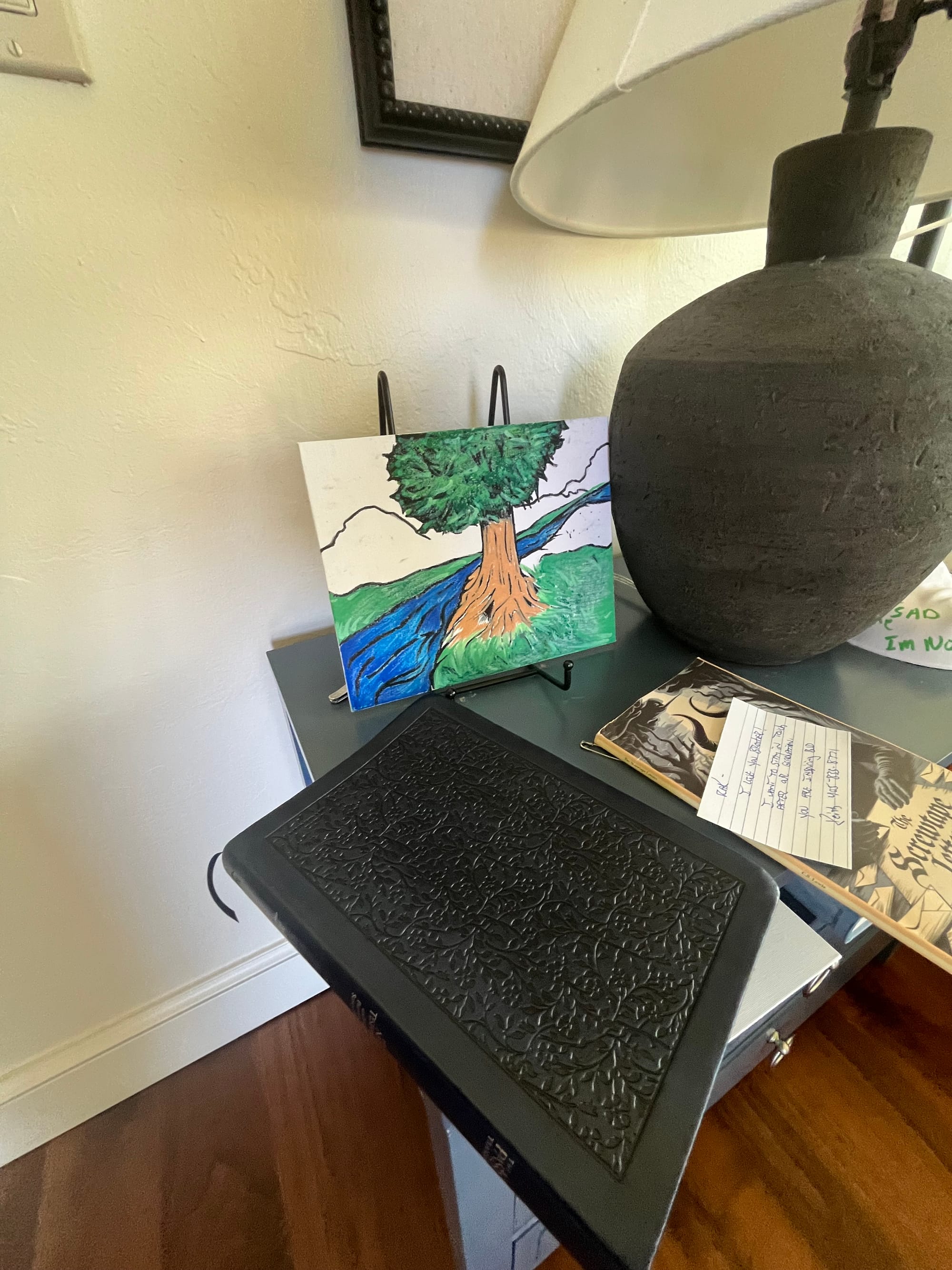
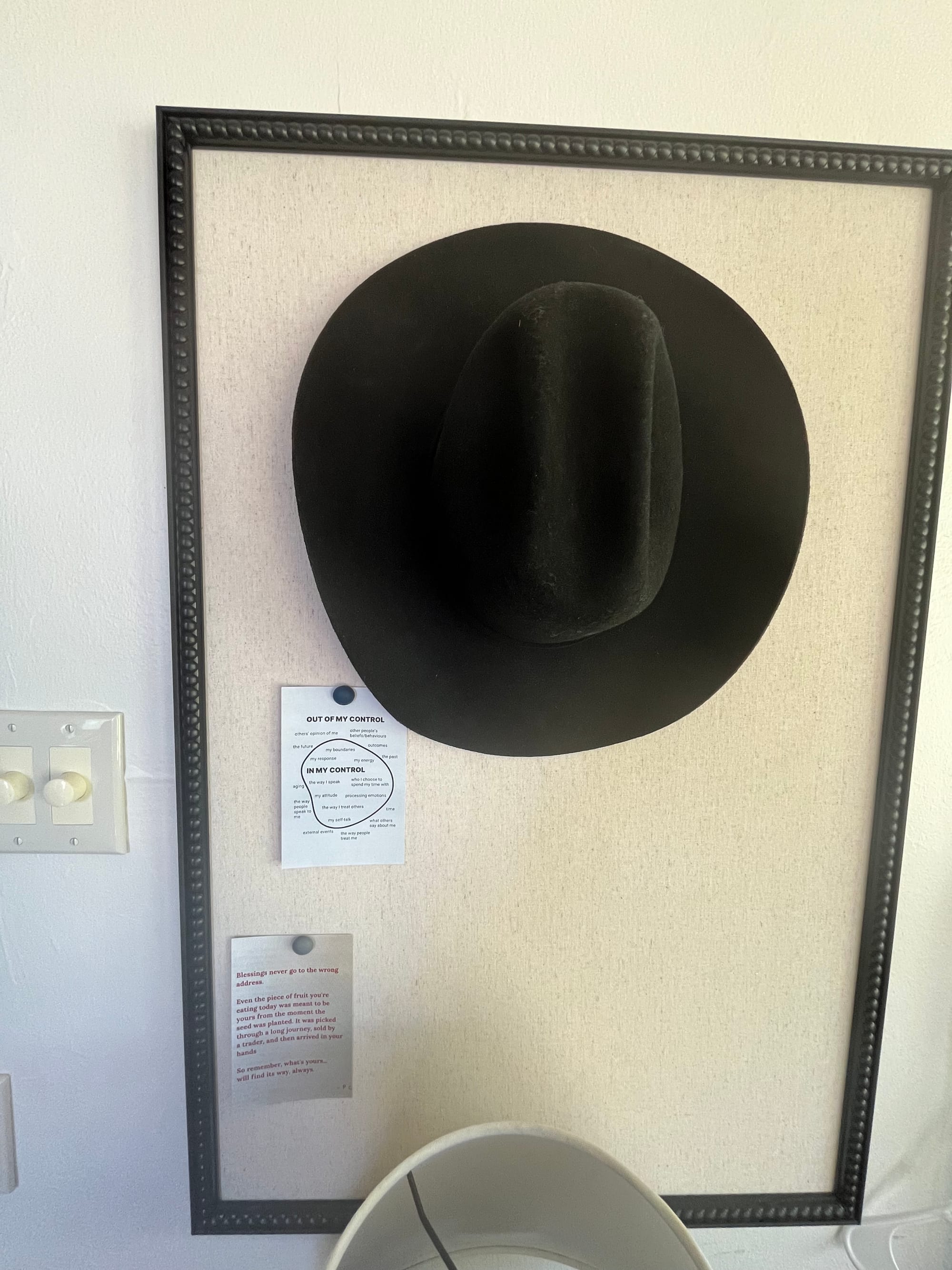
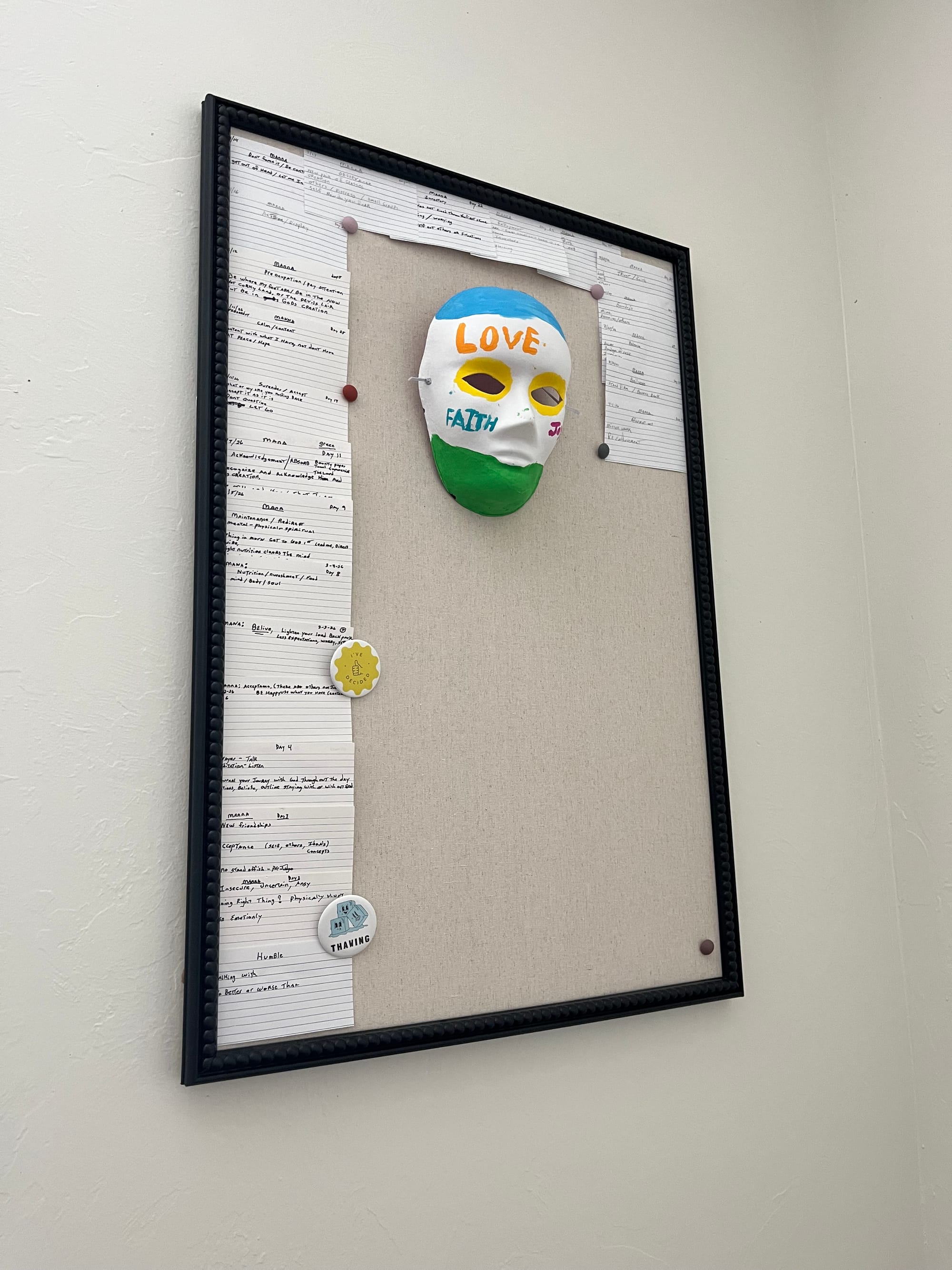
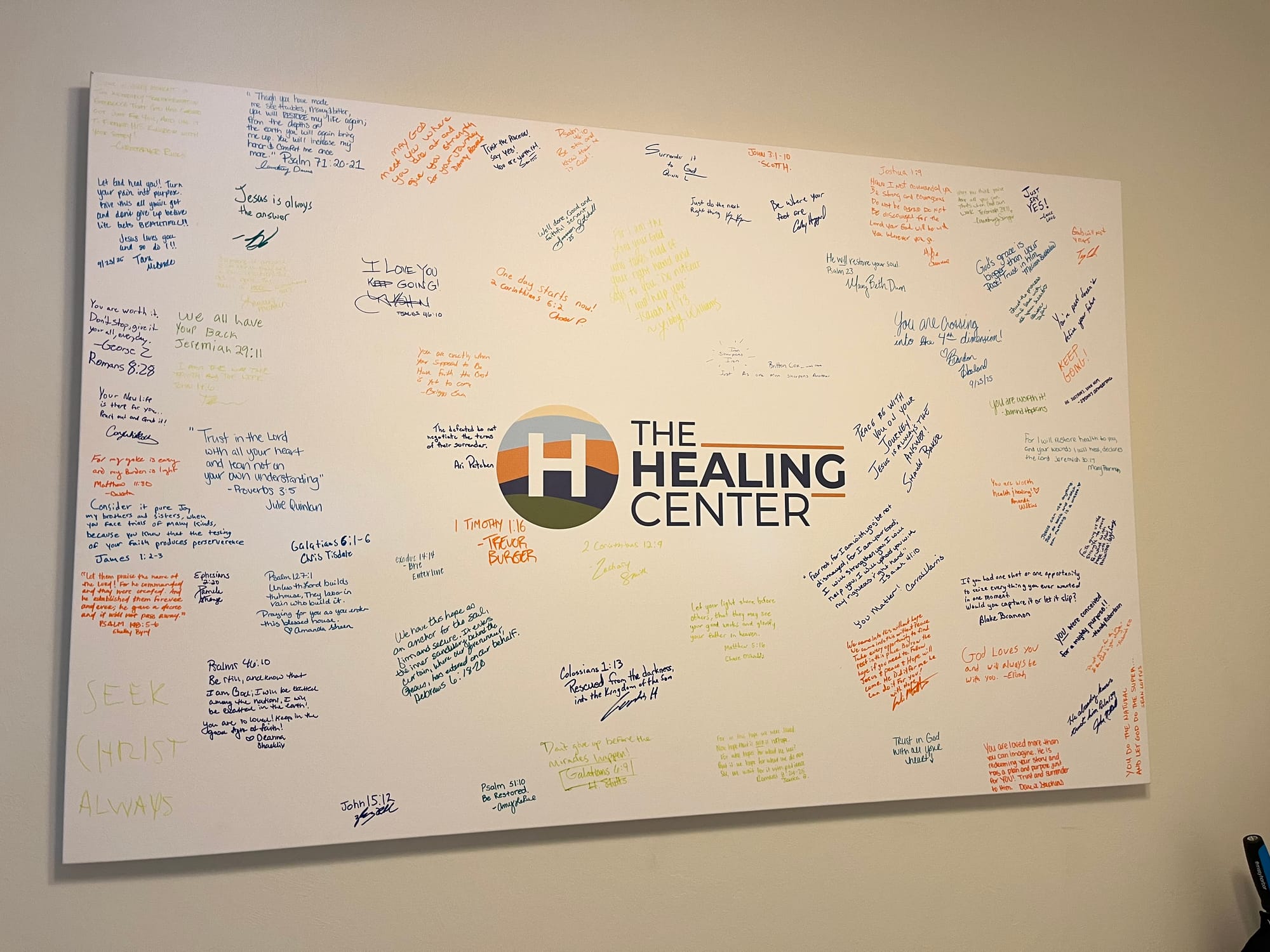
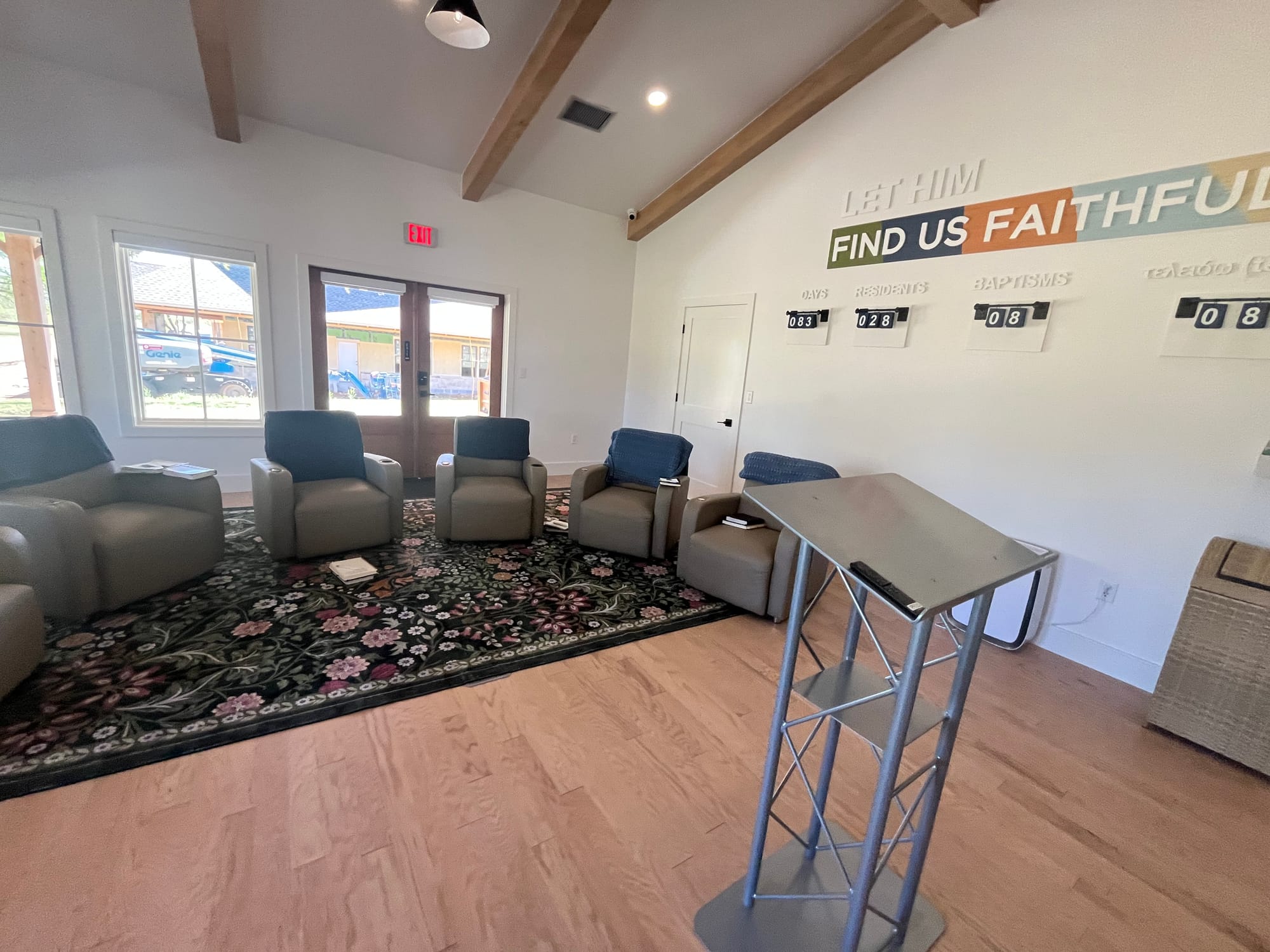
The structure of the program is deeply relational, with residents spending time together throughout the day in classes, meals, and shared spaces. They are encouraged to be honest, to drop the versions of themselves they have used to cope, and to engage with others in a real way. Faith is not a side component of that process, but central to it. “It’s intense discipleship,” Zerker said. “Very much so.” Throughout the property, there are visible reminders of that focus, including a cross where individuals can leave behind written burdens and artwork that reflects the idea that broken things can be restored rather than hidden. The approach is intentional and requires participation, honesty, and a willingness to change.
Hope Is Alive also places a strong emphasis on the role of families in recovery. Plans for the Jones campus include lodges that will allow family members to stay on-site during visits, creating opportunities for reconnection in an environment designed for healing rather than stress. Future programming will include family retreats, support opportunities for parents and children, and specialized tracks that address issues such as codependency. “There’s something powerful about seeing your loved one sober,” Zerker said. “Maybe for the first time in years.” There are also plans for recreational spaces where families, including children, can spend time together in a more natural setting as relationships begin to rebuild.
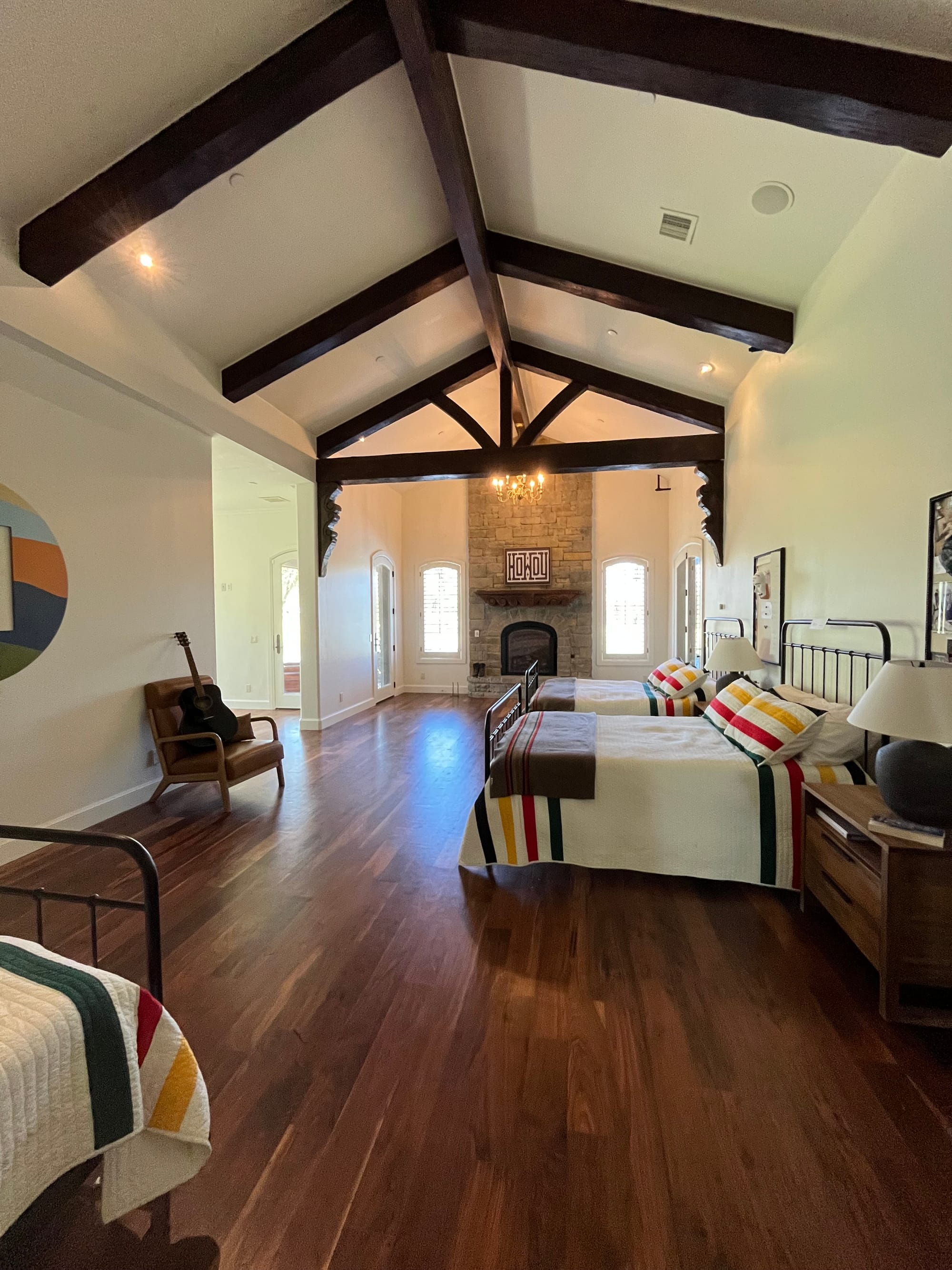
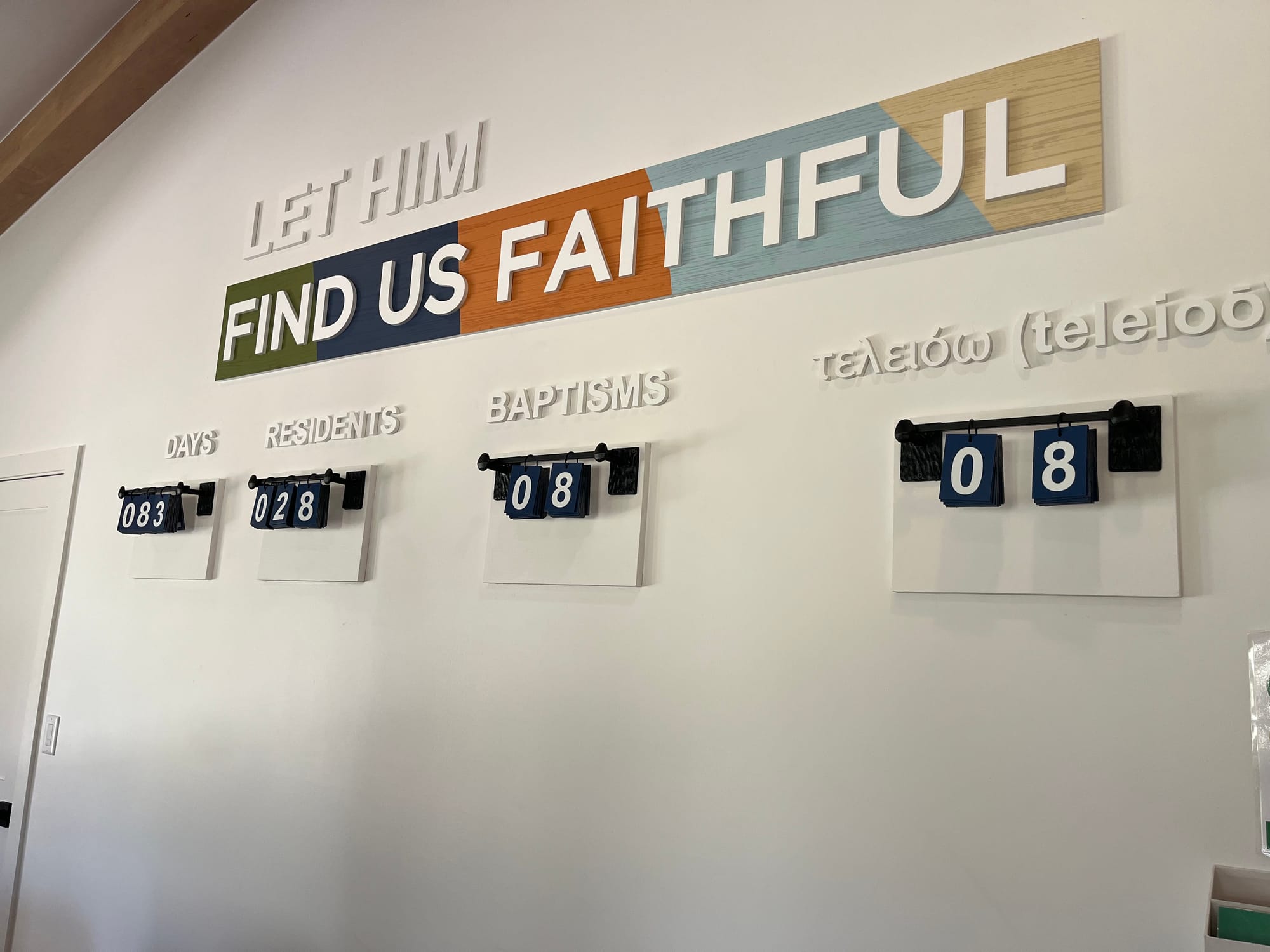
Although The Healing Center has only recently opened, demand has already been strong. “We were nervous at first,” Zerker said. “Fourteen beds to fill.” That concern did not last long. The facility is nearing capacity and has begun to develop a waitlist, with graduates already being marked across the property as a sign of progress. “We don’t have to worry about it,” he said. “God’s bringing them.” The early response suggests that this model is meeting a need for individuals seeking something deeper than short-term solutions.
The Healing Center does not draw attention to itself in obvious ways, sitting just outside town and largely unseen from the road, but the work taking place there carries weight. This is not simply a place focused on behavior change. It is a place built on the belief that people can be made new through Christ. In a setting defined by structure, community, and faith, individuals are being given the opportunity to begin again. For Jones, this maybe a quiet addition to the community, but for the individuals who seek healing and restoration behind those walls, the impact will carry a lasting weight.